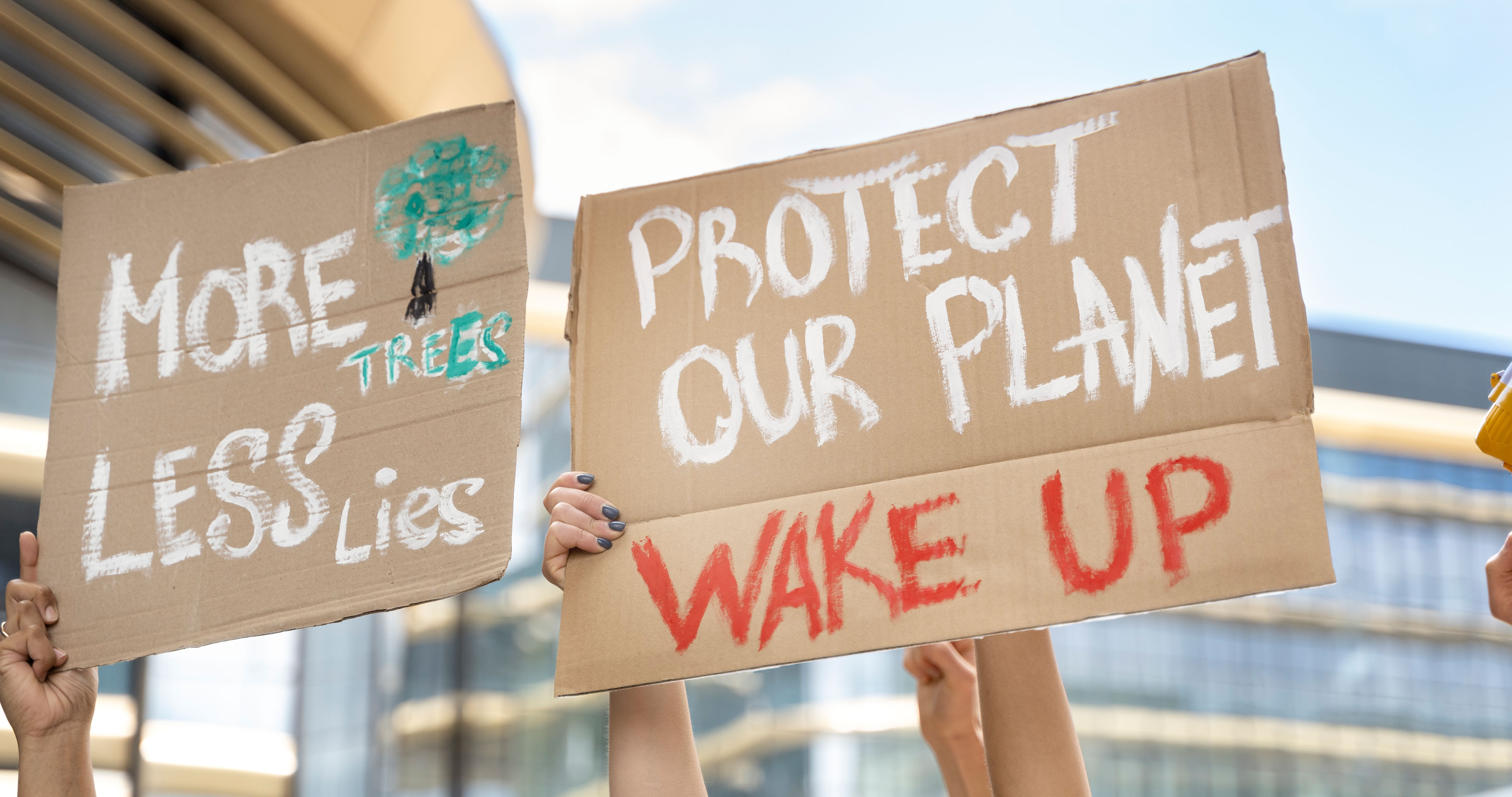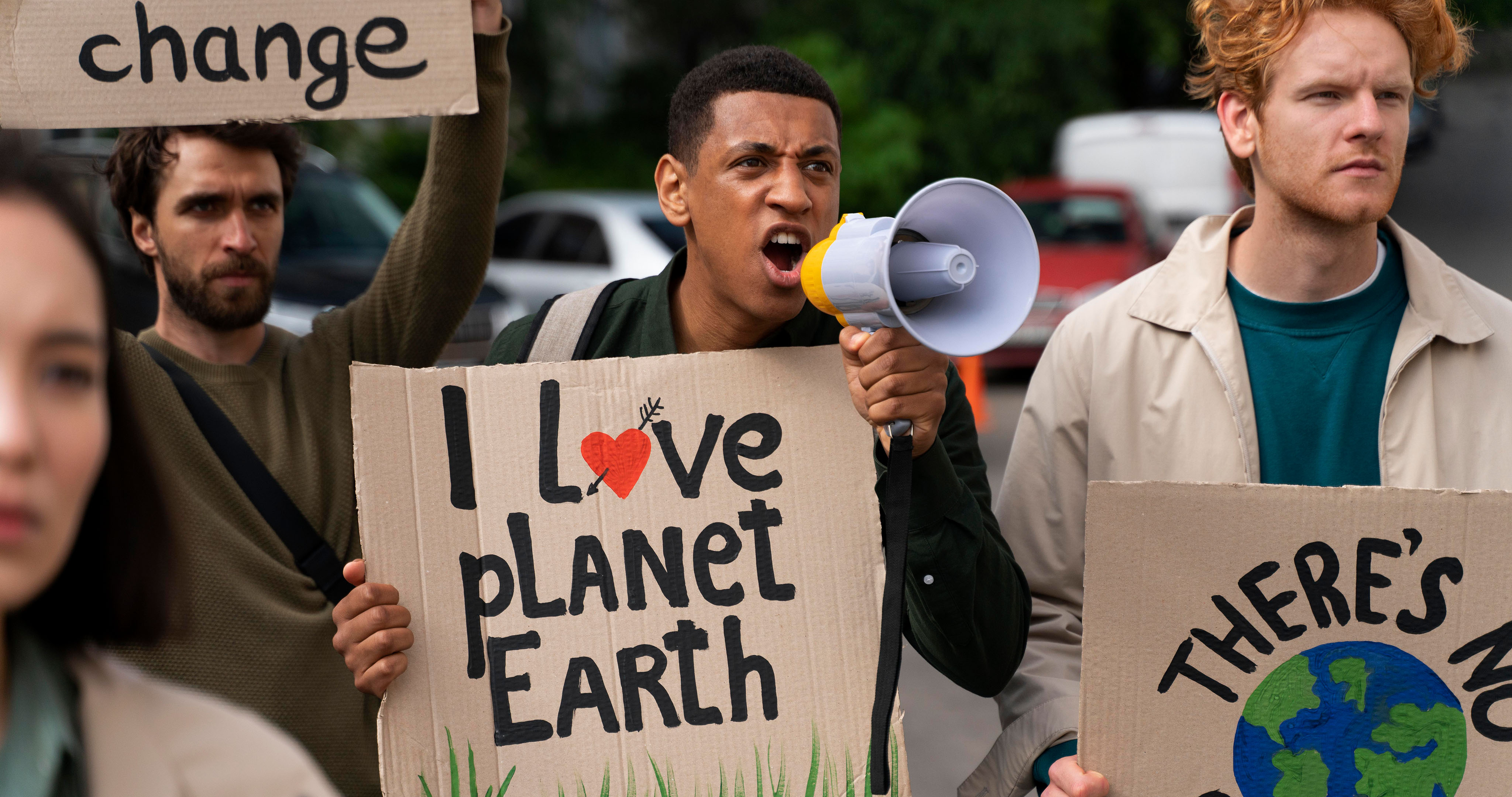
Climate does not ask why, we should neither ask why for we are the humans on this habitat and every other species follow our lead to propagating continuity beyond natural catastrophes
1. Q: Why should educational institutions prioritize climate action?
A: Schools shape future leaders and can reduce emissions, model sustainability, and prepare students for a climate-challenged world.
2. Q: How can schools integrate climate education into curricula?
A: Embed climate science, sustainability, and solutions in subjects like science, social studies, and ethics to foster awareness and action.
3. Q: What is a carbon footprint, and how can institutions measure theirs?
A: A carbon footprint is the total greenhouse gas emissions from activities. Use tools like carbon calculators to track energy, transport, and waste emissions.
4. Q: How can campuses reduce energy consumption?
A: Install energy-efficient lighting, use smart thermostats, and transition to renewable energy sources like solar panels.
5. Q: What role can students play in campus climate initiatives?
A: Students can lead green clubs, organize recycling drives, or advocate for sustainable policies like banning single-use plastics.
6. Q: How does waste management impact climate goals?
A: Proper waste management, like composting and recycling, reduces methane emissions from landfills and conserves resources.
7. Q: What are green campuses, and how can institutions become one?
A: Green campuses prioritize sustainability through eco-friendly infrastructure, policies, and education. Start with audits and green certifications like LEED.
8. Q: How can institutions promote sustainable transportation?
A: Encourage biking, walking, or public transit with bike racks, shuttle services, and incentives for carpooling.
9. Q: Why is climate justice important for educational institutions?
A: It ensures equitable access to a safe environment, addressing how climate impacts disproportionately affect marginalized students and communities.
10. Q: How can schools engage with local communities on climate action?
A: Partner on tree-planting, cleanups, or workshops to share knowledge and amplify local sustainability efforts.
11. Q: What is the role of renewable energy on campus?
A: Renewables like solar or wind reduce reliance on fossil fuels, cut emissions, and lower long-term energy costs.
12. Q: How can institutions fund climate initiatives?
A: Seek grants, partner with NGOs, or redirect budgets from non-sustainable practices to green projects like energy retrofits.
13. Q: What are nature-based solutions, and how can campuses use them?
A: Solutions like green roofs, campus gardens, or reforestation absorb CO2 and enhance biodiversity. Implement them in campus landscaping.
14. Q: How can institutions measure progress on climate goals?
A: Track metrics like energy use, waste reduction, and student engagement in sustainability programs, reporting transparently.
15. Q: Why should schools host climate-focused events?
A: Events like Earth Day fairs or sustainability workshops raise awareness, inspire action, and build community commitment.
16. Q: How can technology support campus climate action?
A: Use smart grids, energy monitoring apps, or virtual learning to reduce emissions and optimize resource use.
17. Q: What is the benefit of divestment from fossil fuels?
A: Divesting endowment funds from fossil fuel companies aligns finances with sustainability and signals leadership in climate action.
18. Q: How can institutions address food-related emissions?
A: Offer plant-based cafeteria options, reduce food waste through composting, and source local, sustainable ingredients.
19. Q: How can schools prepare students for climate-related careers?
A: Offer courses in environmental science, renewable energy, or policy, and connect students with internships in green industries.
20. Q: How can institutions stay motivated in long-term climate action?
A: Celebrate small wins, involve students in decision-making, and connect with global networks like the UN’s Race to Zero for inspiration.
Climate isn't an overnight battle rather a never ending strive for a better yesterday than then, lest we not forget that we are capable of all that and more.
#Dine4ClimateActions
#W3CR3AXIONS