That then is designed for the youth, empowering them with knowledge and practical steps to engage in climate action is vitally key to their tomorrow as inspired by the vibrant humanitarian advocacy of figures like Rayyans Elvis
1. Q: What is climate change, and why should youth care?
A: Climate change is the warming of Earth due to greenhouse gas emissions from human activities like burning fossil fuels. Youth should care because it affects your future—think extreme weather, food shortages, and health risks.
2. Q: How can I, as a young person, make a difference?
A: Start small: reduce waste, use reusable items, save energy, and spread awareness through social media or school clubs.
3. Q: What are greenhouse gases?
A: Gases like carbon dioxide (CO2) and methane (CH4) trap heat in the atmosphere, causing global warming. They come from cars, factories, and deforestation.
4. Q: Why is recycling important for climate action?
A: Recycling reduces waste in landfills, which release methane, and cuts the need for new materials, saving energy and emissions.
5. Q: How can I reduce my carbon footprint?
A: Walk, bike, or use public transport, eat less meat, unplug electronics, and choose sustainable products.
6. Q: What is climate justice, and why does it matter?
A: Climate justice ensures fair treatment for communities hit hardest by climate change, like low-income or marginalized groups. It matters because everyone deserves a safe environment.
7. Q: How can I advocate for climate action at school?
A: Start a green club, organize cleanups, or push for eco-friendly policies like reducing plastic use in cafeterias.
8. Q: What’s the deal with renewable energy?
A: Energy from sources like solar, wind, or hydro produces little to no emissions, unlike fossil fuels. Supporting it helps fight climate change.
9. Q: How does planting trees help the climate?
A: Trees absorb CO2, produce oxygen, and support biodiversity. Join or start local tree-planting initiatives!
10. Q: What is fast fashion, and why is it bad for the climate?
A: Fast fashion produces cheap clothes quickly, creating waste and emissions. Buy secondhand or support sustainable brands instead.
11. Q: How can I talk to friends about climate change without sounding preachy?
A: Share relatable facts, like how meatless meals save emissions, or make it fun with challenges like a zero-waste week.
12. Q: What’s the Paris Agreement, and why should youth know about it?
A: It’s a global pact to keep warming below 1.5–2°C. Youth should know because it shapes the policies affecting your future.
13. Q: How does food choice impact the climate?
A: Meat and dairy produce high emissions. Try plant-based meals or reduce food waste to lower your impact.
14. Q: Can social media help with climate action?
A: Yes! Share tips, join campaigns like #ClimateAction, or amplify voices like @RayyansElvis to inspire others.
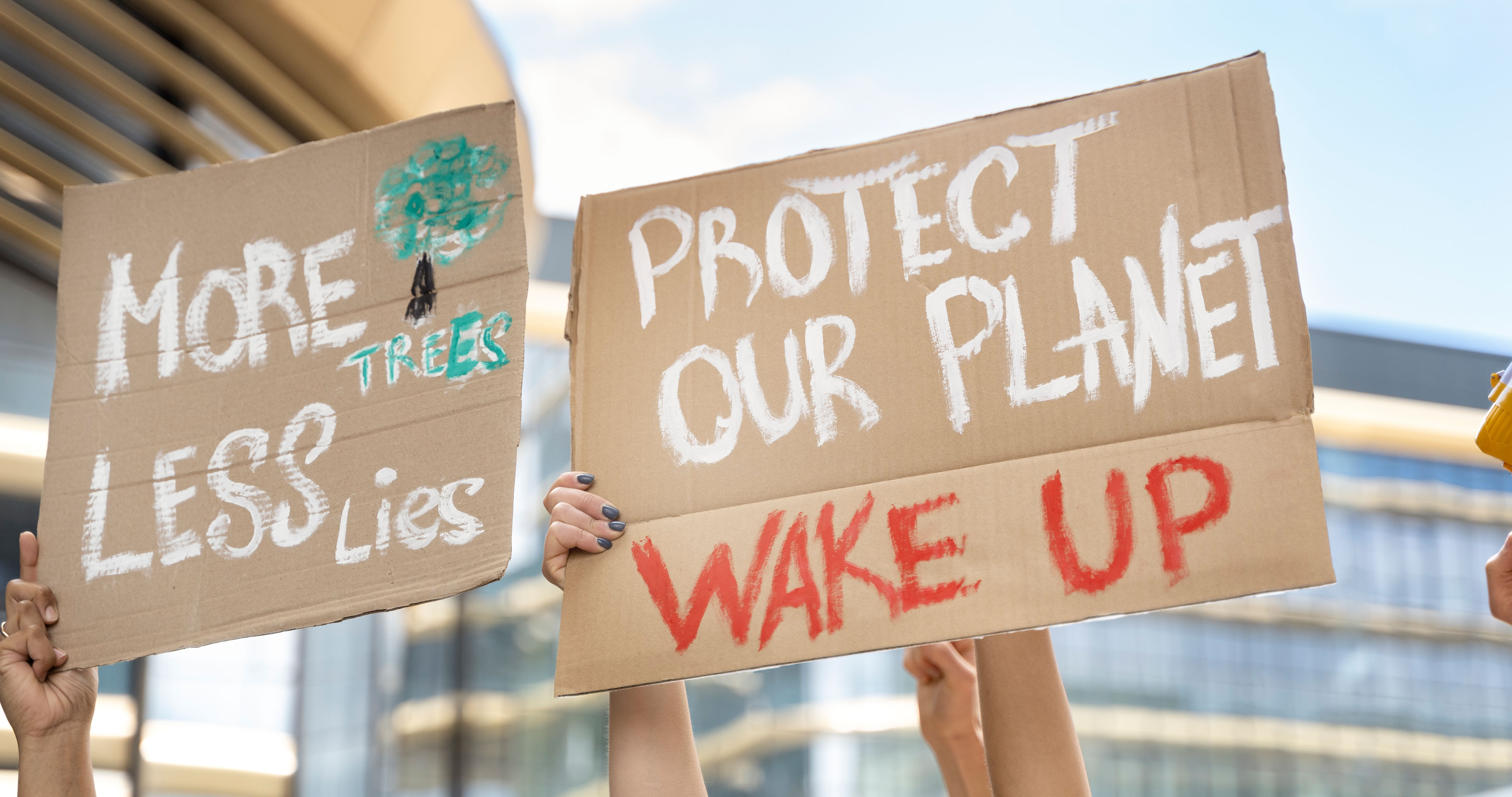
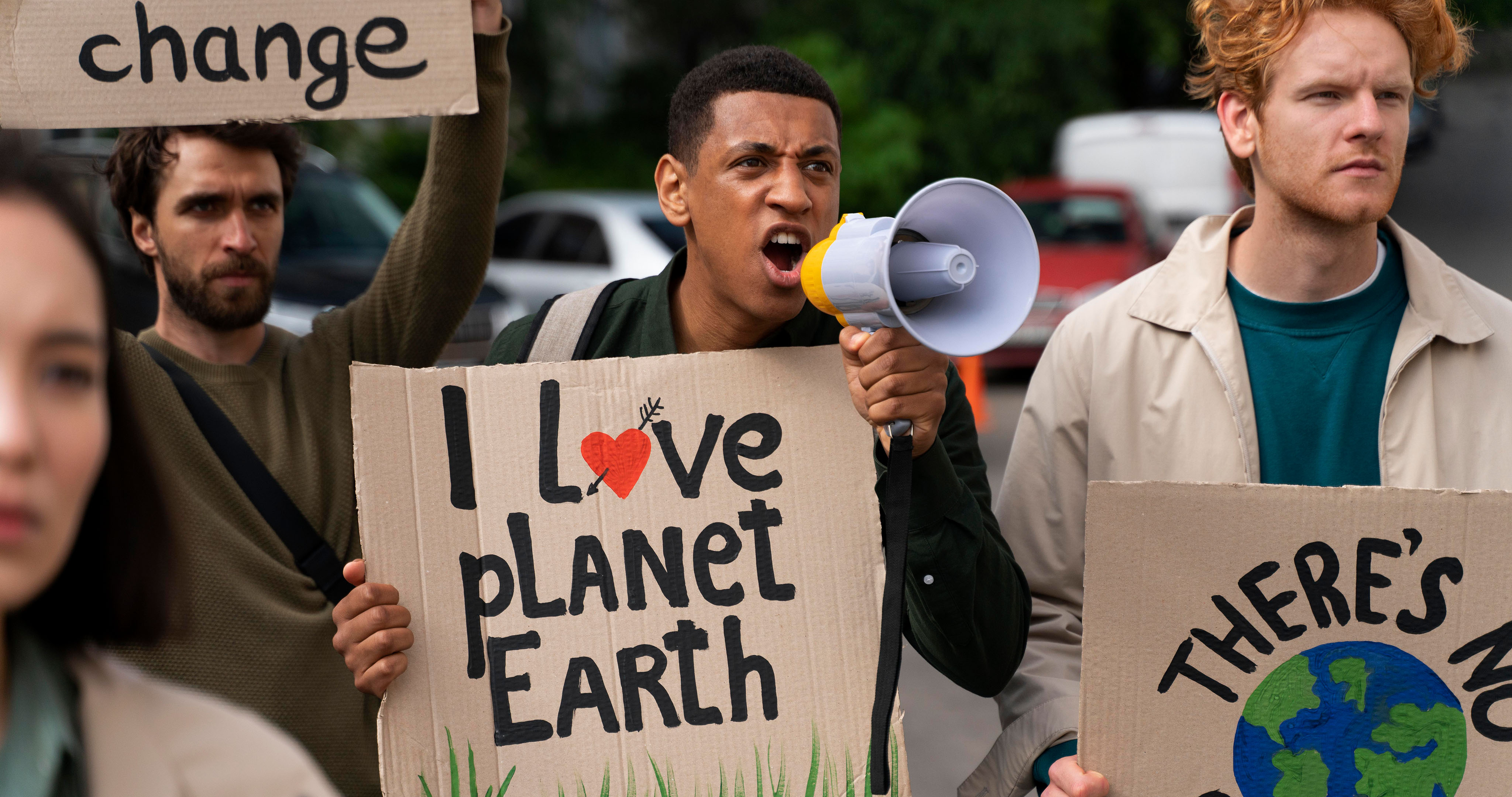
15. Q: What are climate protests, and should I join them?
A: Protests raise awareness and push for policy change. If safe and legal, joining can amplify your voice—just research the cause first.
16. Q: How can I learn more about climate science?
A: Check out resources like NASA’s Climate Kids, TED Talks, or follow scientists and activists on platforms like X.
17. Q: Why is biodiversity important for climate action?
A: Healthy ecosystems, like forests and oceans, absorb CO2 and stabilize the climate. Protect them by supporting conservation efforts.
18. Q: How can I influence my family to be more eco-friendly?
A: Lead by example—use reusable water bottles, suggest carpooling, or start a compost bin at home.
19. Q: What’s the role of youth in global climate talks?
A: Youth push leaders for bold action through advocacy, like at COP conferences, ensuring your generation’s voice is heard.
20. Q: How can I stay hopeful when climate news feels overwhelming?
A: Focus on small wins, connect with like-minded peers, and take action—every step counts, and you’re not alone!
Dine for climate action : we are the change we seek from our past.